

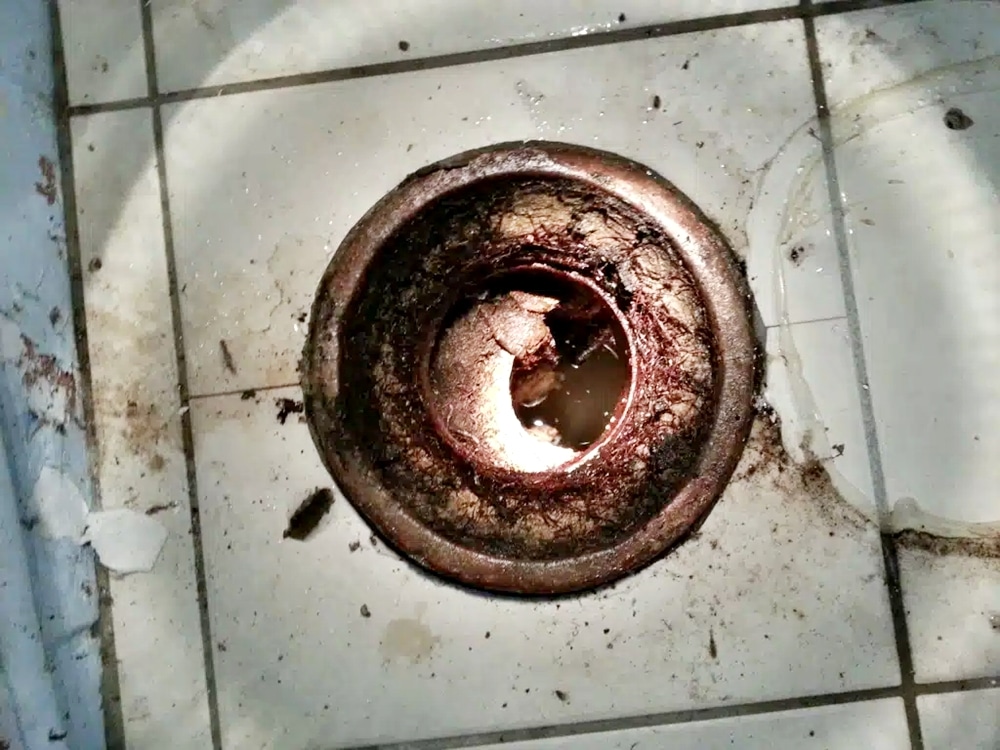
Sand or grit appearing near a drain with no obvious source above ground, is usually a sign of damage below it. Underground wastewater pipes sit surrounded by soil, and when a section cracks or a joint separates, that surrounding material has a way in. Groundwater carries fine grit and sediment through the gap and into the pipe, where it eventually settles near an outlet or drain opening. The drain itself is rarely the source of the problem and it’s simply where the evidence turns up.
This is worth taking seriously, particularly if the grit keeps returning after cleaning. A drain can go on working normally for some time even as the pipe around it deteriorates, so the appearance of sand often arrives well before any obvious loss of function. Left unaddressed, the same process that lets soil in can widen the damage, disturb more of the surrounding ground and eventually lead to blockages or structural failure in the pipe.
How Soil Ends Up Inside a Sealed Pipe
A wastewater pipe is designed to keep two things separate which is the wastewater moving through it, and the soil and groundwater surrounding it. That separation depends entirely on the pipe staying intact. Once a crack forms or a joint shifts out of alignment, groundwater finds its way through the gap, and it rarely arrives alone as fine sand, silt and soil particles travel with it.
Some of that material settles inside the pipe near the point of entry, while finer particles get carried further along, which is why grit can show up at a drain some distance from the actual damage. Each time water flows past the affected section, a little more of the surrounding ground is disturbed and pulled in. Heavy seasonal rainfall and tree root activity are common contributors to this kind of gradual pipe deterioration, particularly in older properties.
Other Signs Worth Paying Attention To
Sand is one indicator among several, and it’s most useful when read alongside other changes in how your drains are behaving. Slow draining water, gurgling from fixtures or a blockage that returns shortly after clearing all point toward something more persistent than a one-off clog.
Odours are another signal worth noting, especially when they’re coming from an outdoor drain, a garden bed or a section of paving rather than an internal fixture. A damaged sewer line can let wastewater or sewer gas escape into the surrounding soil before it ever reaches a drain. Damp patches or a noticeably greener patch of lawn in one specific area can point to the same cause.
Ground movement is the sign most property owners miss and this is because soil is drawn into a damaged pipe, a small void can form around the affected section. Over months or years, this can show up as a soft spot, a shallow depression or gradual sinking in a lawn, garden bed or paved area directly above the pipe run.
Any one of these on its own could have a simple explanation although several appearing together, particularly alongside recurring grit, is a stronger reason to have the drainage system properly assessed.
Confirming the Cause Without Guesswork
Because the pipework in question sits underground, there’s no reliable way to judge its condition from the surface, and digging speculatively risks disturbing more of the property than necessary. A CCTV drain inspection addresses this directly: a waterproof camera is fed through the line, giving a clear view of cracks, displaced joints, root intrusion and sediment build-up as it travels.
The footage also records the camera’s position as it moves, which allows the damaged section to be located with precision before any excavation begins. Rather than treating recurring grit as a routine maintenance issue, an inspection confirms exactly what’s happening inside the pipe and where, which is what determines the right repair.
What Repair Looks Like Once the Damage Is Confirmed
The right fix depends on what the inspection finds. Where the pipe is structurally sound aside from a crack or a separated joint, pipe relining is often a suitable option. This is where a resin liner is installed inside the existing pipe and cured in place to form a new internal surface, sealing the damage and stopping soil from entering. Because the original pipe stays in the ground, this generally means significantly less excavation than a full replacement.
Relining isn’t suitable for every case though as a section that has collapsed, deformed badly or deteriorated beyond a point of repair will typically need to be dug up and replaced. The right approach comes down to the extent of the damage, its location and the condition of the pipe either side of it, all of which the inspection footage makes clear.
If you’re noticing recurring sand or grit particularly alongside slow drainage, repeat blockages or odours around an outdoor drain, it’s definitely worth having checked by an experienced plumber before it develops into a larger repair.